Essential Maritime Security Measures for Peak Season
CD
Understanding the Importance of Maritime Security
The peak season in maritime industries is characterized by increased activity, higher volumes of cargo, and greater demand for services. During this bustling time, ensuring maritime security becomes even more crucial. As the backbone of global trade, the maritime sector must implement robust security measures to safeguard vessels, crew, and cargo.
Maritime security encompasses a range of practices and technologies designed to protect against threats such as piracy, smuggling, and terrorism. In peak season, these challenges are magnified, necessitating a proactive approach to security management.
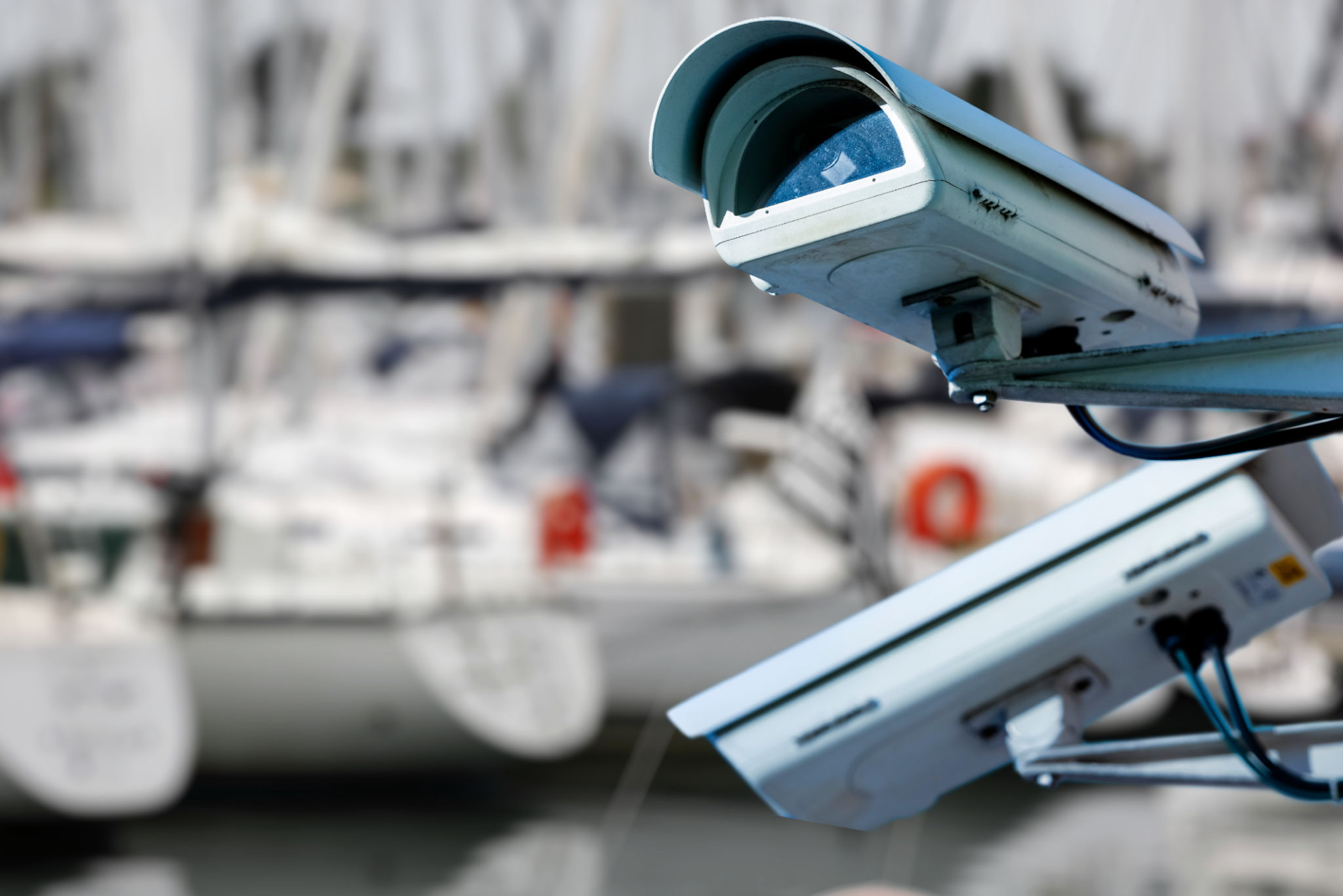
Enhancing Surveillance and Monitoring
One of the key components of effective maritime security is comprehensive surveillance and monitoring. By deploying advanced technologies such as Automatic Identification Systems (AIS) and radar systems, shipping companies can track vessel movements and detect potential threats in real-time. This allows for swift responses to any suspicious activities.
Furthermore, integrating surveillance data with intelligence from various sources enhances situational awareness, enabling better decision-making. Investing in these technologies during peak season can significantly mitigate risks and ensure smooth operations.
Implementing Stringent Access Controls
Controlling access to vessels and port facilities is vital for maintaining maritime security. During peak season, the influx of personnel and cargo can increase vulnerabilities. Therefore, implementing stringent access controls is essential. This includes verifying the identity of all personnel, conducting thorough background checks, and utilizing biometric systems for secure access.

Additionally, restricting access to sensitive areas and using security personnel to monitor entry points can further bolster security measures. These steps help prevent unauthorized access and reduce the likelihood of security breaches.
Strengthening Crew Training and Awareness
Another critical element of maritime security is ensuring that crew members are well-trained and aware of potential threats. Regular training sessions should be conducted to educate the crew on security protocols, emergency response procedures, and how to identify suspicious behavior.
By fostering a culture of security awareness on board, crew members can act as the first line of defense against potential threats. During peak season, when the stakes are higher, this training becomes even more important.

Utilizing Advanced Communication Systems
Effective communication is vital in maintaining maritime security. Utilizing advanced communication systems ensures that vessels can stay in contact with port authorities and other ships. This facilitates the rapid exchange of information regarding potential threats or emergencies.
Ensuring that communication systems are up-to-date and functioning efficiently during peak season minimizes downtime and enhances overall security preparedness. It also enables effective coordination in case of an incident.
Collaborating with International Partners
Security in the maritime industry is a global concern, requiring collaboration among international partners. Engaging with organizations such as the International Maritime Organization (IMO) and regional security coalitions can provide valuable insights and resources to enhance maritime security measures during peak season.
Participating in joint exercises and information-sharing initiatives helps identify emerging threats and develop strategies to counter them effectively. This collaborative approach strengthens the overall security framework of the maritime industry.
Conclusion
As the maritime sector gears up for peak season, implementing essential security measures is imperative to ensure safe and efficient operations. By enhancing surveillance, strengthening access controls, training crew members, utilizing advanced communication systems, and collaborating with international partners, the industry can effectively manage risks and maintain a secure environment. Prioritizing these measures not only protects assets but also contributes to the resilience of global trade networks.