Understanding the Impact of Regional Weather on Maritime Operations in the US
CD
The Influence of Weather on Maritime Operations
Maritime operations in the United States are significantly affected by regional weather patterns. The vast coastline of the U.S., stretching over 95,000 miles, includes diverse climates that affect navigation, shipping, and safety. Understanding these impacts is crucial for maritime professionals to ensure efficient and safe operations.
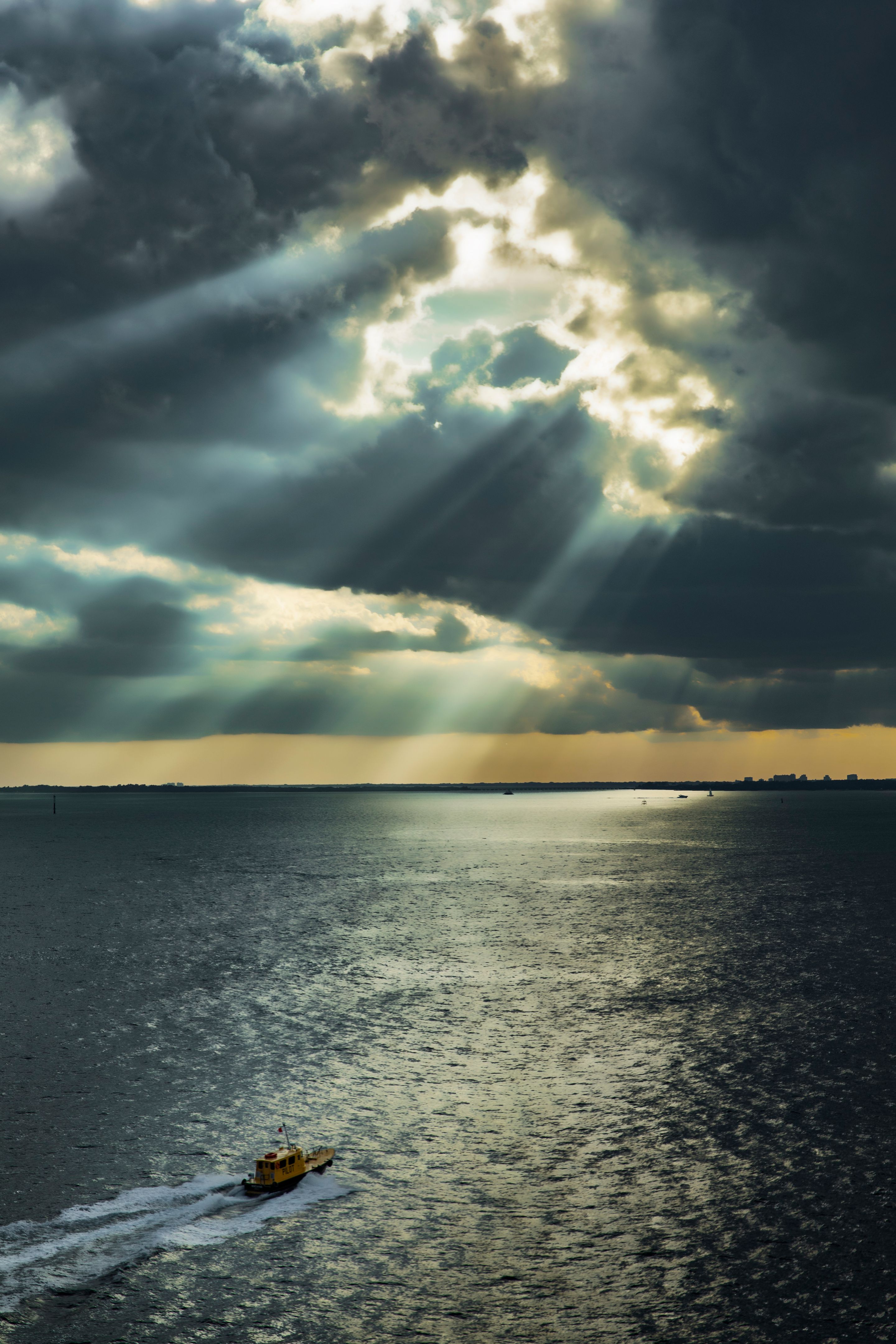
Weather conditions can disrupt maritime schedules, making it imperative for maritime operators to adapt and respond effectively. From hurricanes in the Atlantic to foggy conditions in the Pacific Northwest, each region presents unique challenges. The ability to predict and prepare for these weather events is essential for minimizing disruptions and maintaining operational continuity.
Hurricanes and Their Impact on the Atlantic Coast
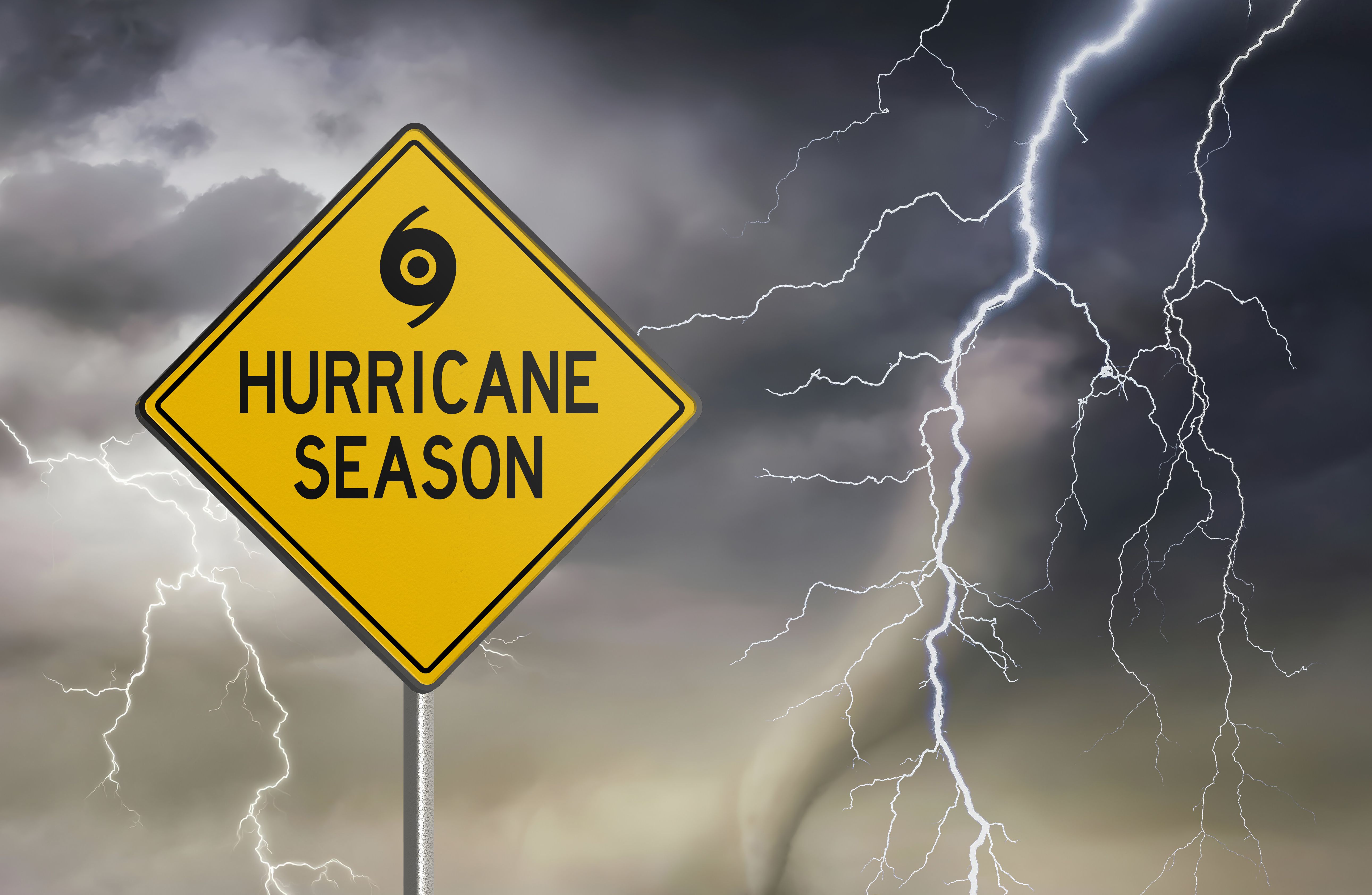
The Atlantic hurricane season, which spans from June to November, poses one of the most significant threats to maritime operations along the eastern seaboard. Hurricanes can cause substantial delays and damage to vessels and infrastructure. Ports may shut down temporarily, leading to economic losses and logistical challenges.
To mitigate these effects, maritime operators must invest in robust forecasting systems and develop comprehensive emergency response plans. This preparation includes securing vessels, rerouting shipping lanes, and coordinating with local authorities to ensure safety and minimize disruption.
Fog and Its Challenges in the Pacific Northwest
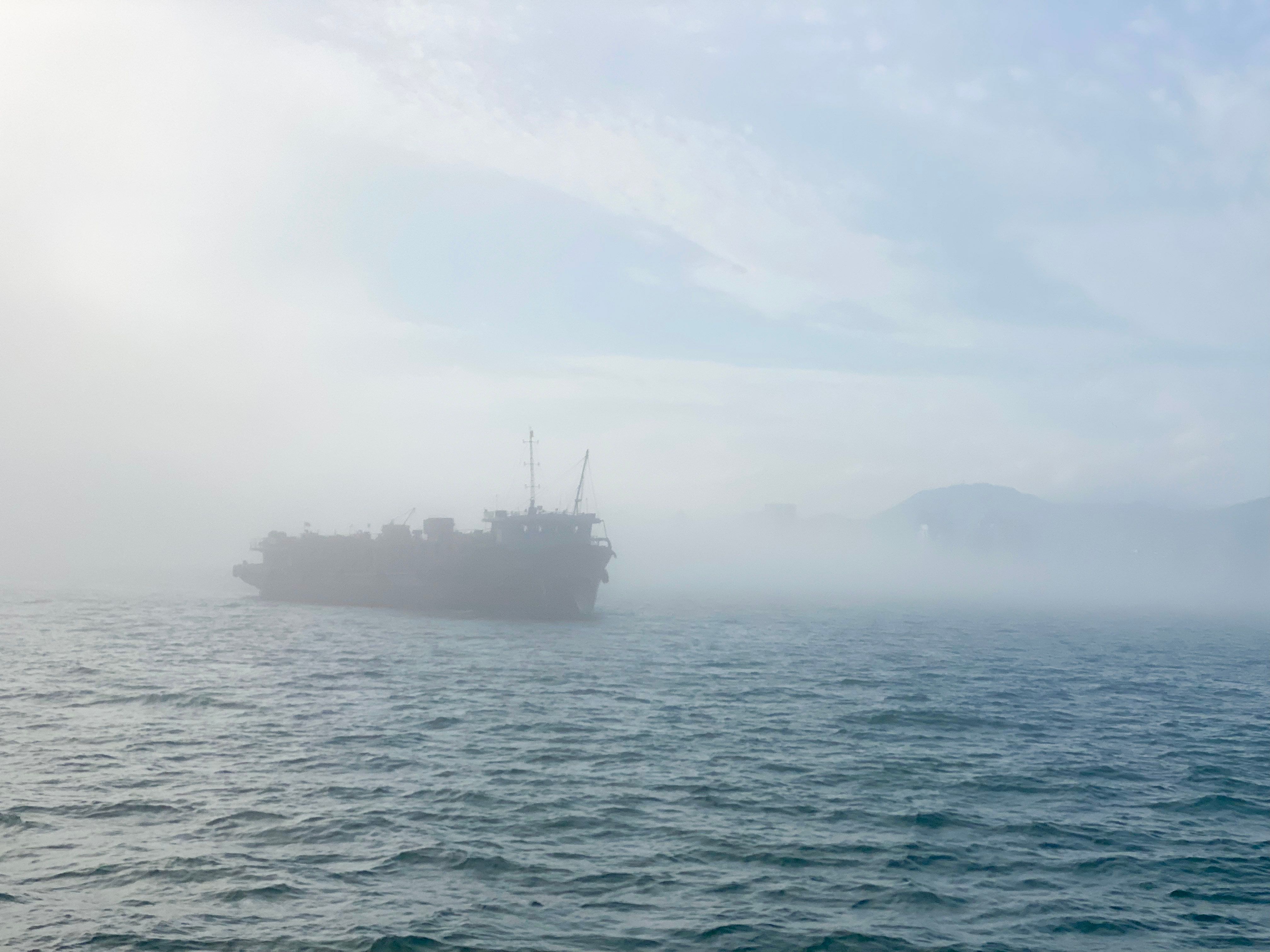
The Pacific Northwest is known for its dense fog, which can severely impact visibility and navigation for vessels. This region's intricate waterways require precise maneuvering, making fog a significant hazard. Mariners must rely on advanced navigational aids and technologies to safely traverse these waters.
Implementing radar systems and automated identification systems (AIS) can help mitigate the risks associated with low visibility. Training crew members to effectively use this technology is equally important to ensure safe operations in fog-prone areas.
Winter Storms and Their Effects on the Great Lakes
Winter storms are a common occurrence on the Great Lakes, bringing heavy snowfall, ice accumulation, and high winds. These conditions can create hazardous situations for vessels, increasing the risk of accidents and grounding. Icebreakers play a crucial role in maintaining navigable waterways during winter months.
Maritime operators must also be prepared for potential delays caused by ice-related issues. Keeping abreast of weather forecasts and ice reports is essential for planning safe and efficient transit routes across the Great Lakes.
Adapting to Regional Weather Variability
Each U.S. coastal region has its own set of weather-related challenges. Adaptation strategies must be tailored to address specific regional needs. Investing in technology, training, and infrastructure upgrades are critical components of effective adaptation.
- Enhancing predictive weather systems.
- Developing region-specific response plans.
- Collaborating with government agencies for coordinated efforts.
By understanding and adapting to the impact of regional weather patterns, maritime operations can improve resilience, minimize disruptions, and ensure safety across the industry.